

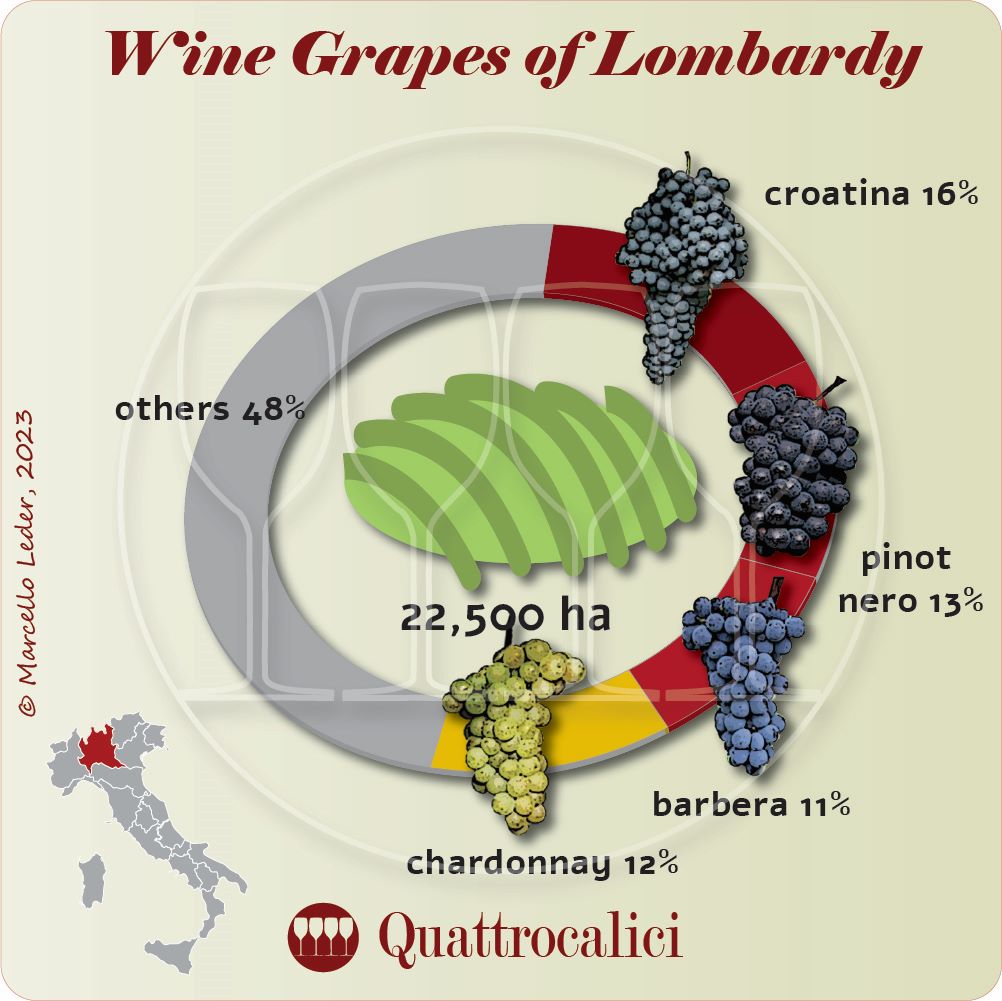
The grape varieties grown in Lombardy are largely representative of the territories where they are cultivated, showcasing the region’s diverse viticultural landscape.
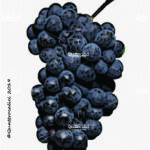
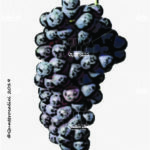
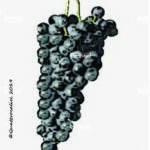
Valtellina is particularly noted for its cultivation of black grape varieties, with Nebbiolo, locally known as Chiavennasca, being the principal grape. Other indigenous black grape varieties include Pignola, Rossola nera, and Brugnola (known in Emilia as Fortana or Uva d’Oro). These varieties are rarely vinified alone and are typically used in blends for Valtellina’s classic wines.
Oltrepò Pavese‘s most widespread vine is Barbera, followed by Croatina, Bonarda, and Uva Rara. Pinot Noir deserves special mention in Oltrepò Pavese, used both for still wines and for sparkling wines produced with the classic method (blanc de noirs). White grape varieties grown in this area include Riesling Italico, Moscato, and Malvasia.
Franciacorta, located near Lake Iseo, is known for cultivating Pinot Noir, Pinot Blanc, and Chardonnay, used in the production of classic method sparkling wines under the DOCG designation. Chardonnay is also used for still wines in the Curtefranca DOC, alongside Pinot Blanc, Cabernet Sauvignon, and Merlot. Along the Brescia shores of Lake Garda and on the Colli Mantovani, grape varieties such as Groppello, Barbera, Marzemino, and Sangiovese are cultivated.
Croatina and Barbera are the most widely cultivated Italian-origin grape varieties in the region, together with Uva Rara in Oltrepò Pavese.
Regarding international varieties, Pinot Noir is the most extensively planted in Lombardy, especially in Oltrepò Pavese and Franciacorta, covering about 2,900 hectares, which accounts for approximately 13% of the total vineyard area. Riesling Italico and Pinot Gris are also cultivated in Oltrepò Pavese, while Chardonnay is primarily found in Franciacorta, around Lake Iseo, together with Pinot Blanc, Cabernet Sauvignon, and Merlot.