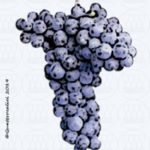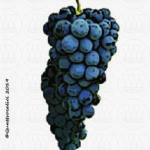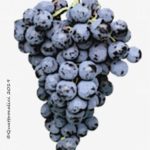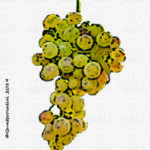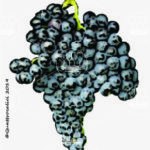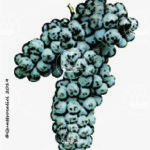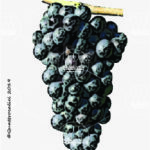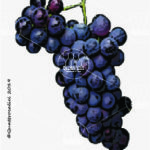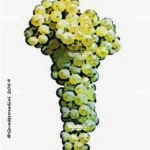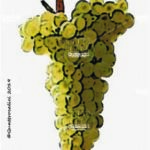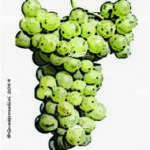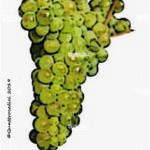


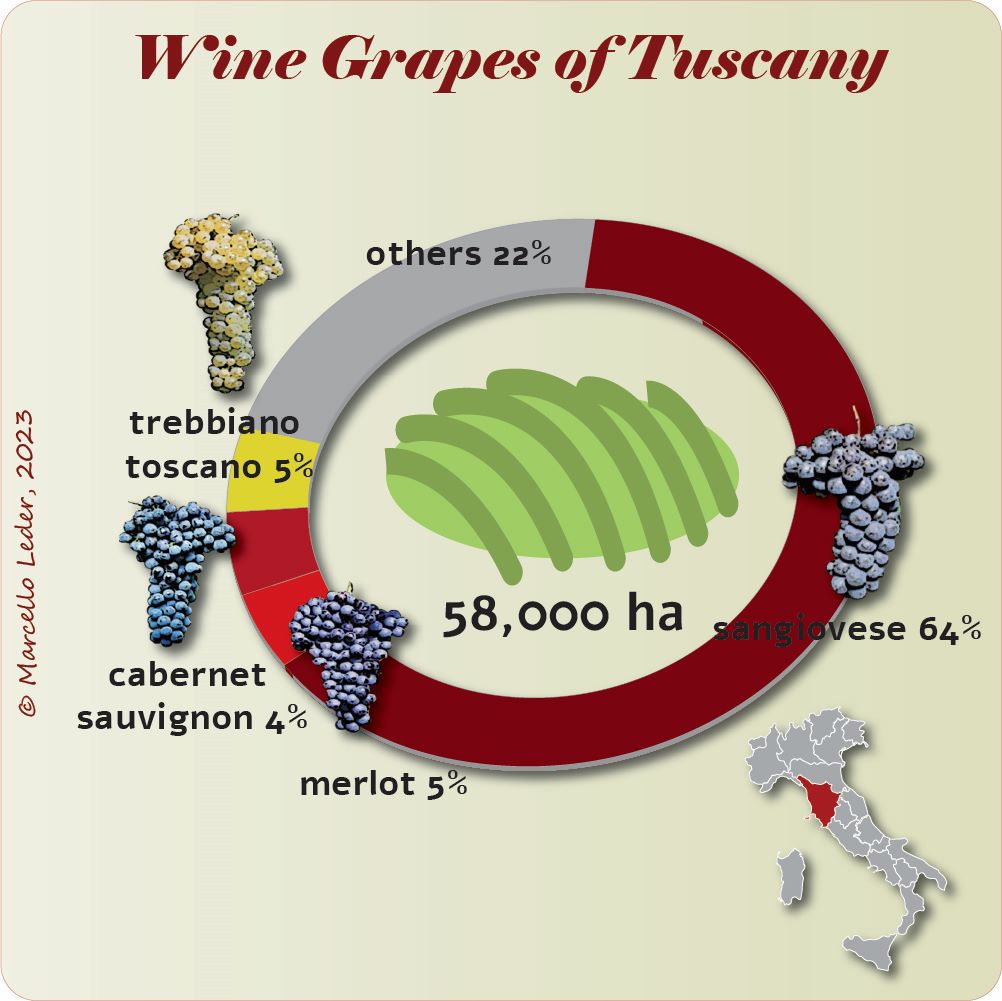
In Tuscany, black grape varieties are predominantly cultivated (about 85% of the vineyard area), among which Sangiovese (and its variants), Canaiolo Nero, and Ciliegiolo stand out. The most widespread white grape variety in Tuscany is Trebbiano Toscano, followed by Malvasia Bianca Lunga, Vernaccia di San Gimignano, and Ansonica. Chardonnay is also quite common, used to produce white wines often aged in barriques. The fame of Supertuscans has introduced other international black grape varieties to Tuscany, including Cabernet Sauvignon, Merlot, Pinot Noir, and Syrah. For Chianti itself, besides Sangiovese, Cabernet Sauvignon and Merlot are increasingly used.
Tuscany has 58,000 hectares of vineyards, with 67% located in the hills, 25% in the mountains, and 8% in the plains. White grape varieties account for 15%, against 85% for black grapes. Sangiovese is the foremost variety, representing over 65% of the total, followed by Trebbiano Toscano, which accounts for only 5%. Canaiolo Nero follows with just 1,000 hectares, less than 2% of the total.
The two leading international varieties by cultivated area in Tuscany are Merlot, with 5% of the total vineyard area, and Cabernet Sauvignon, with 4%. Their main uses are in Bordeaux-style wines, produced mainly on the Livorno coast (Bolgheri and Bolgheri Sassicaia DOC) and partly as a complement in Chianti blends. Chardonnay follows, with less than <