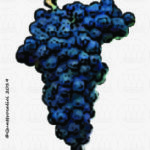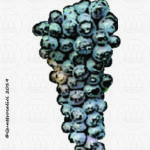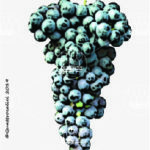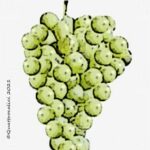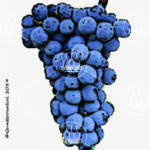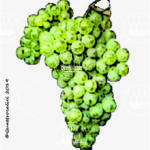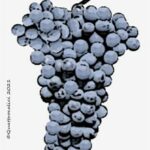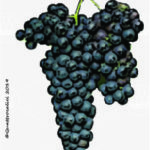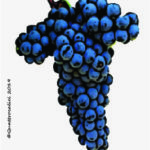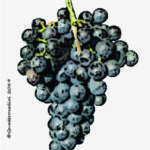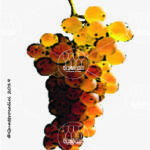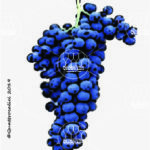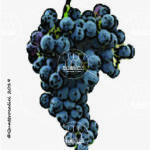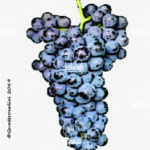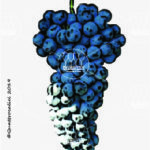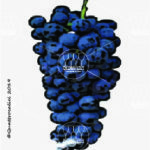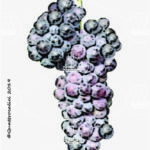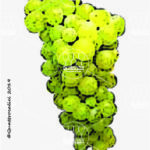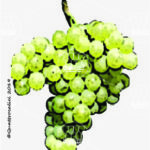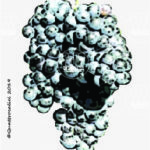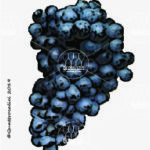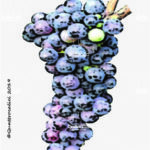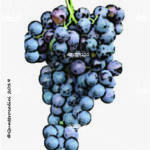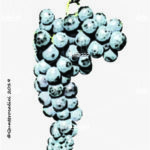


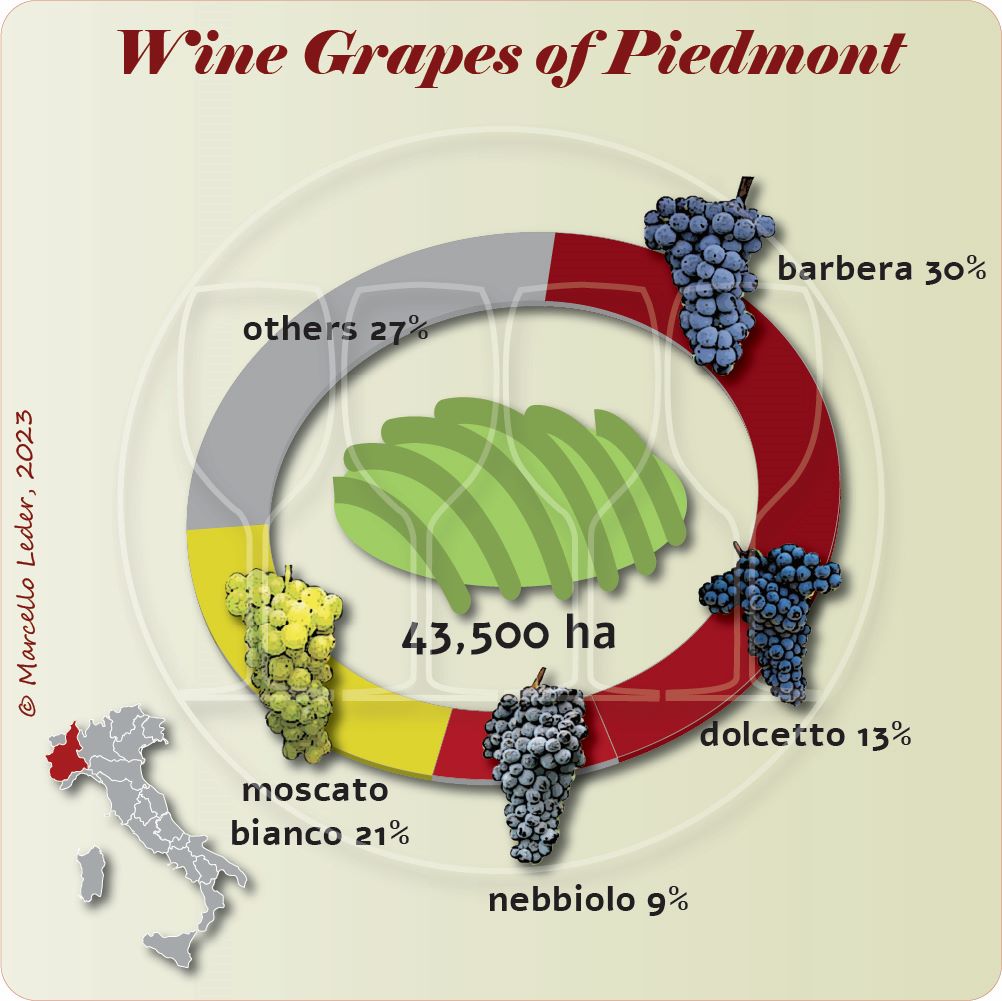
Piedmont stands out in the Italian winemaking landscape for its 48,000 hectares dedicated to viticulture, with a predominance of black grape varieties representing 60% of the total, while white grape varieties make up the remaining 40%. The most widespread grape variety is Barbera, which occupies almost 30% of the entire vineyard area of the region, underscoring its centrality in Piedmontese wine production. This variety is particularly appreciated for its versatility, resulting in wines with multiple facets that vary significantly depending on the specific production areas.
Dolcetto follows Barbera in terms of extension, while Nebbiolo, despite covering less than 10% of the vineyard area, is responsible for some of Piedmont’s most prestigious wines, including Barolo and Barbaresco. These wines are celebrated internationally and represent the excellence of Italian wine production, thanks to their extraordinary quality and strong connection to their territory of origin.
In addition to these varieties, Piedmont boasts a significant variety of native grapes, such as Dolcetto, Croatina, Freisa, Bonarda, Grignolino, Brachetto, and the black Malvasias of Casorzo and Schierano, as well as white varieties like Cortese, Erbaluce, and Timorasso. These varieties contribute to a rich viticultural heritage, with unique characteristics reflecting the diversity of the Piedmontese landscape.
Moscato Bianco deserves special mention for its ability to express itself in sparkling forms, such as Asti DOCG, and still wines, like Moscato di Loazzolo DOC, confirming the versatility and high quality of Piedmontese grapes.
Although international grape varieties occupy a smaller portion of Piedmont’s vineyard area, with Chardonnay and Pinot Nero together not exceeding 3% of the total, their role is not to be underestimated. These varieties are primarily used in the production of traditional method sparkling wines, as demonstrated by the Alta Langa DOCG denomination. Even Merlot and Cabernet Sauvignon, despite their limited presence, are valued through blending with native varieties, showcasing the openness of Piedmontese viticulture to a synthesis between tradition and innovation.
In summary, the Piedmontese wine landscape is a rich and varied tapestry, ranging from the deep roots of native varieties to experimentation with international grapes, all supported by a deep knowledge and respect for the territory, continuing to produce wines of exceptional quality and worldwide fame.