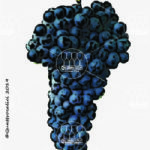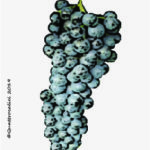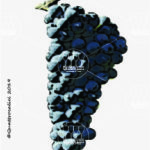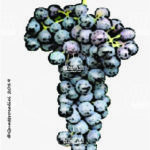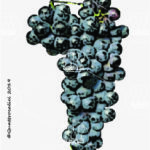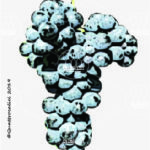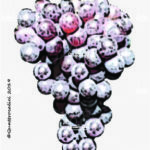


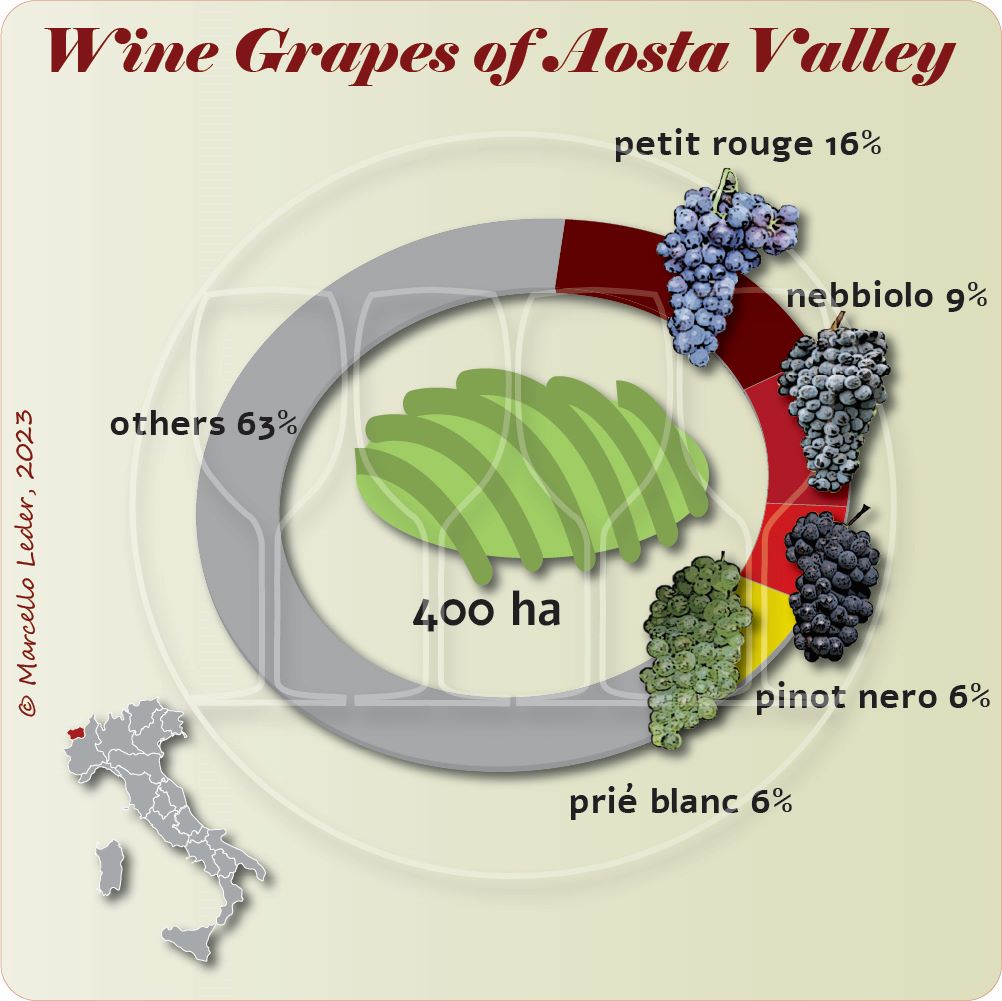
The vineyards of Valle d’Aosta are predominantly planted with indigenous grape varieties. The altitude of these vineyards is a crucial factor in selecting varieties that can be productive even at elevations sometimes exceeding 1,000 meters above sea level. Among the native black grape varieties cultivated in Valle d’Aosta are Petit Rouge, Prëmetta, and Fumin, while the white grape varieties include Prié Blanc, Mayolet, Roussin, Vuillermin,and Neyret. There are many other varieties, some cultivated on very small surfaces, showcasing an incredible biodiversity, especially considering the region’s mere 400 hectares of vineyards. In the lower areas with a less extreme climate, Piedmontese varieties such as Nebbiolo, Freisa, and Moscato Bianco are grown.
Among the international black grape varieties cultivated in Valle d’Aosta, Pinot Noir is the most prominent, accounting for 7% of the total vineyard area, followed by Gamay, Merlot, and Syrah, each covering less than 1% of the total vineyard area. The leading white international grape variety is Chardonnay, occupying about 4% of the vineyard area, followed by Pinot Gris (3%), known as Malvoisie in the Nus area, and Müller-Thurgau (3%). Small quantities of Pinot Blanc and T Gewürztraminer are also present, although they are not part of any official wine style. This diversity of grape varieties, both native and international, contributes to the unique and varied wine profile of Valle d’Aosta, reflecting the region’s distinctive terroir and winemaking heritage.