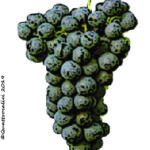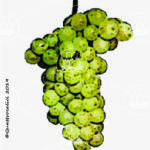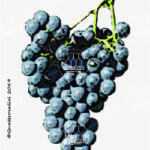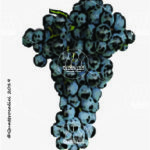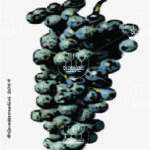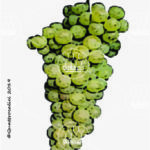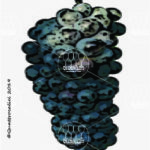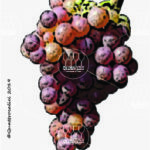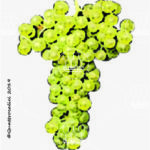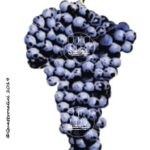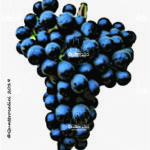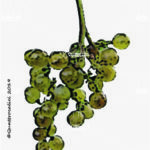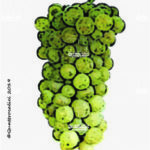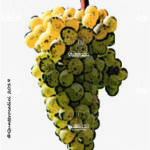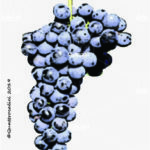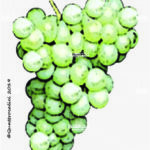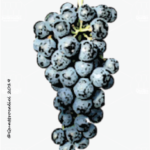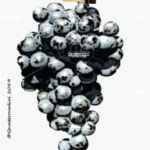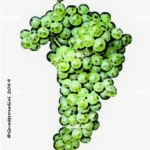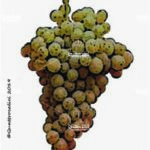


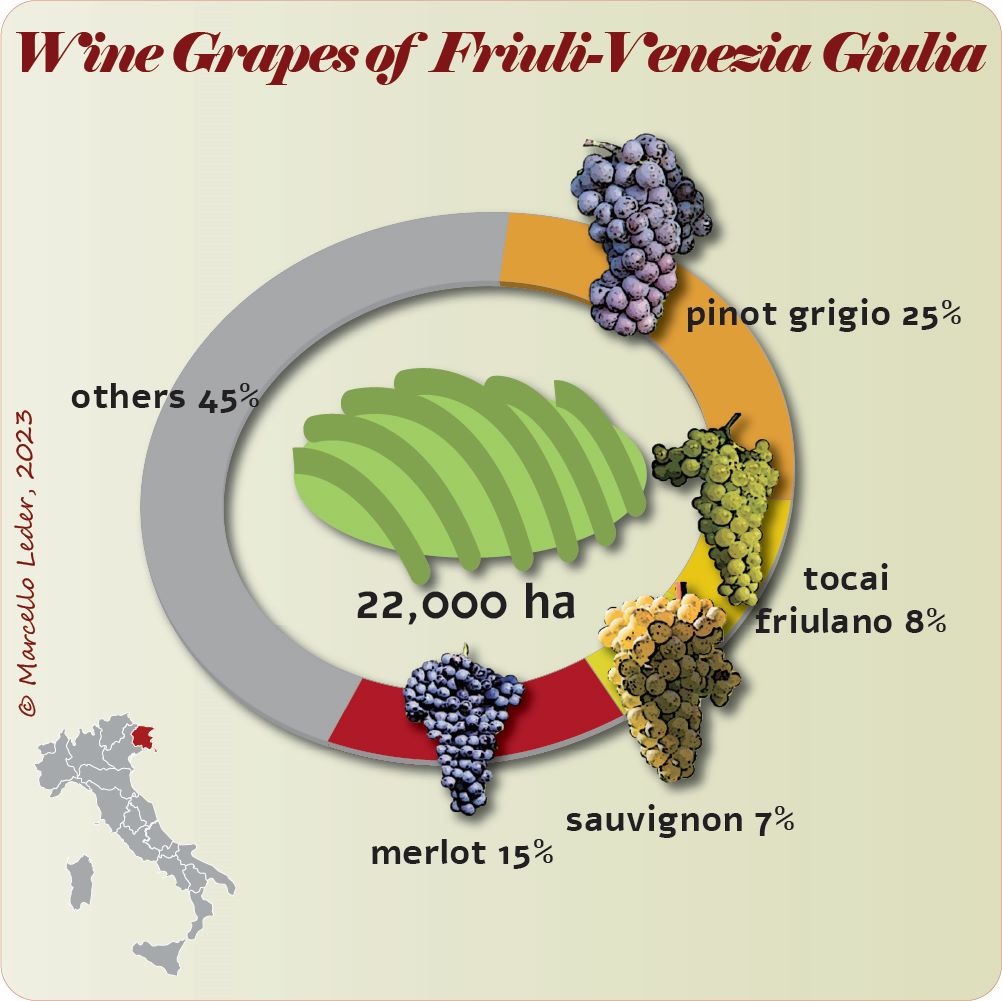
Friuli-Venezia Giulia is characterized by a significant variety of grapes in its vineyards. Known as the region of great white wines, white grape varieties account for almost 70% of the total grapes grown in Friuli-Venezia Giulia. There is a wide range of native grape varieties, both white and red, which are the subject of increasing interest and rediscovery, representing 40% of the total vineyard area. Tocai Friulano, Verduzzo Friulano, Picolit, Refosco dal Peduncolo Rosso, Schioppettino, Pignolo, and Tazzelenghe are native varieties of Friuli-Venezia Giulia, while Ribolla Gialla and Malvasia Istriana, present in the territory for centuries, were probably introduced during the 13th century.
Almost 60% of the vineyard area in Friuli-Venezia Giulia is dedicated to international grape varieties. The leading one is Pinot Grigio, accounting for 25% of the total area, followed by Merlot with 15%, and Chardonnay, Sauvignon, and Cabernet Franc, all with 7%. Cabernet Sauvignon has a modest 3%. Pinot Bianco and Pinot Nero, introduced in the 19th century during the Habsburg rule, account for 2% and 1.5%, respectively. Glera is the leading national non-native variety, with a total of 6%.
Gewürztraminer, Müller-Thurgau, Rhine Riesling, and Riesling Italico, Franconia (Blaufränkisch) were introduced to Friuli from Austria. In the Venezia Giulia area, on the Karst hills in the hinterland of Trieste, the native black grape variety Terrano and the white grape variety Vitovska are traditionally cultivated.