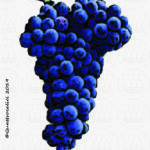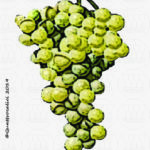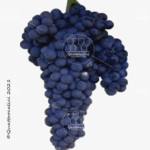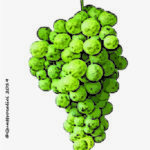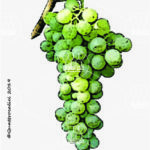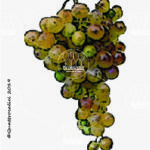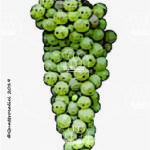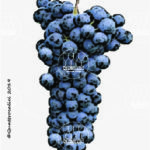

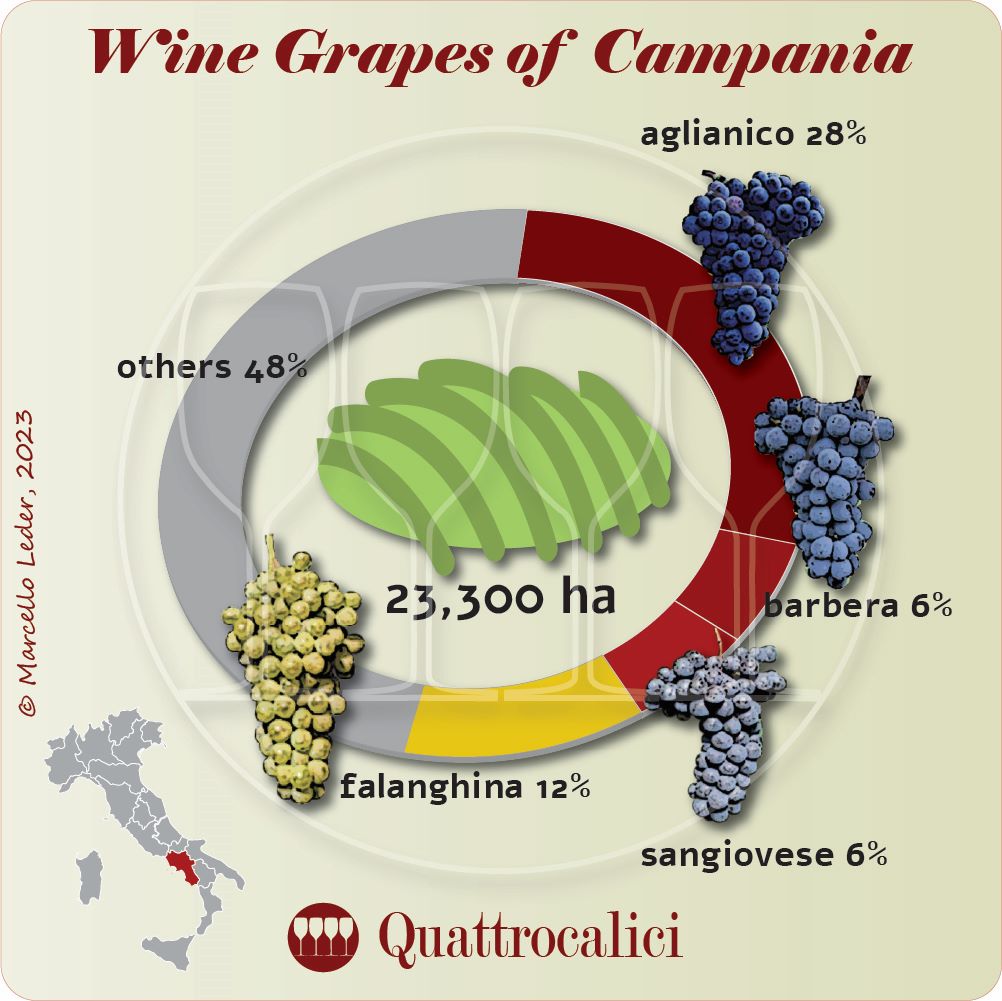
Campania, with a vineyard area of about 24,000 hectares, has a significant heritage of grape varieties, particularly native vines, which over the years have adapted to coastal and island areas, exposed to the sea and saltiness, or to volcanic areas, such as Vesuvius or Pozzuoli. Sixty percent of the vineyard area is occupied by black grape varieties and forty percent by white grape varieties. Some of these have only recently been rediscovered and valued as they deserve, producing some of the most interesting wines in Campania. The region has many native grape varieties. The inland areas, like Irpinia, experience colder and rainier winters. Here, soils subjected to centuries of volcanic activity produce wines, both white and red, of great elegance. Among the native white grape varieties of Campania are Asprinio, Falanghina, Fiano, Greco, Coda di Volpe, Pallagrello Bianco, Biancolella, and Forastera. Among the native black grape varieties are Aglianico, which is joined by Piedirosso (also known as Per’e Palummo, meaning Pigeon’s Foot), Sciascinoso, Pallagrello Nero, and Casavecchia. The latter variety, forgotten for years and recently rediscovered with excellent results, is a grape of excellent quality capable of producing extremely elegant and richly colored red wines, having a higher anthocyanin content than Aglianico. The area cultivated with international grape varieties does not exceed 2% of the total, concentrated mainly in the province of Salerno, with Merlot in the first place (1%) and Cabernet Sauvignon in the second (0.5%). National diffusion grape varieties also play a minimal role, as in the case of Barbera (6%), Sangiovese (6%), Malvasia di Candia (2%), and Montepulciano (2.5%) are only very limitedly included in the DOC wine regulations.