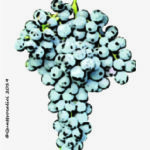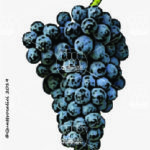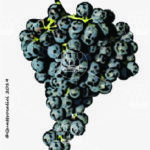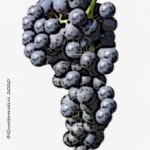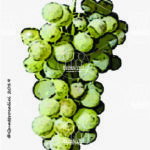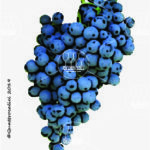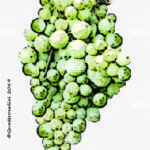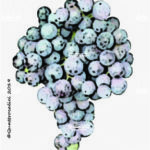


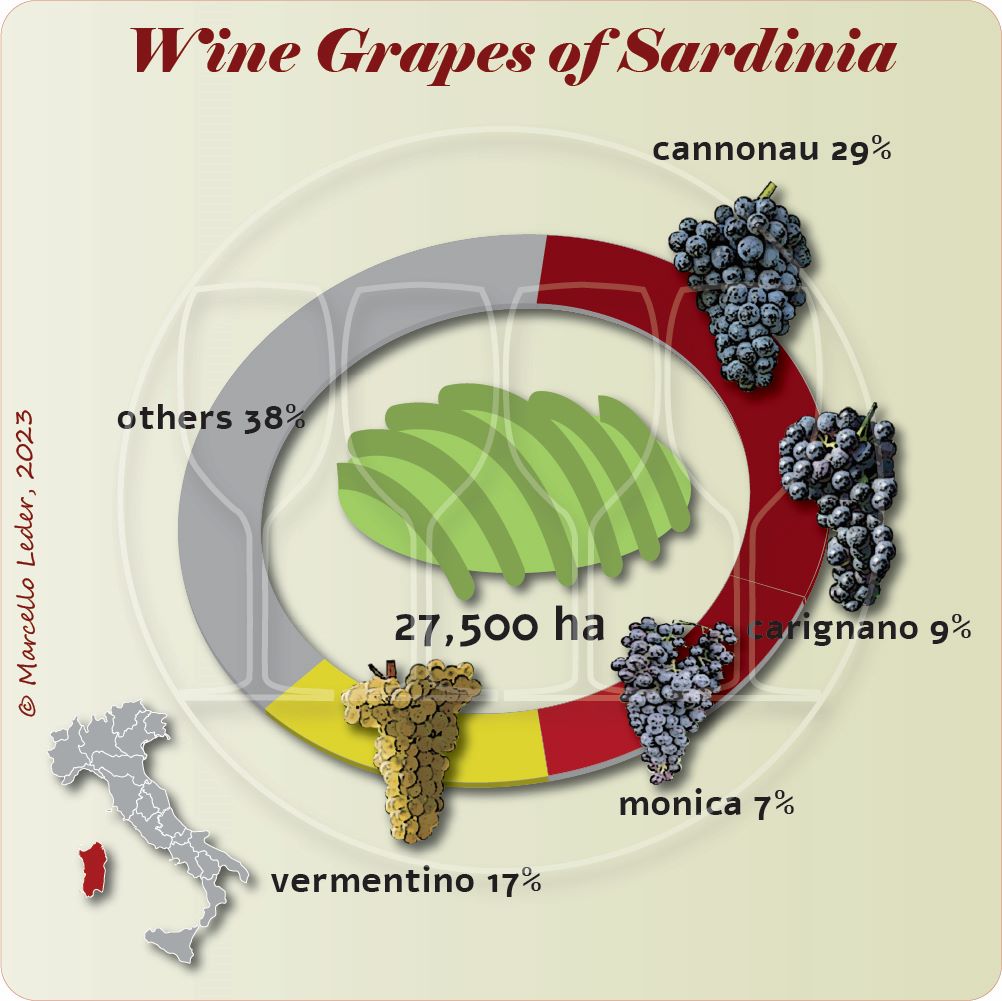
Sardinia is an island that boasts an incredible oenological richness, particularly appreciated for the diversity of its native grape varieties, which constitute a heritage of extraordinary biodiversity importance. The distribution of Sardinian grape varieties follows a peculiar geographical pattern, with a prevalence of white grape varieties in the central and northern areas of the island, while black grape varieties are more widespread in the southern areas.
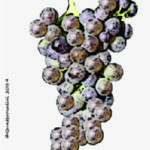
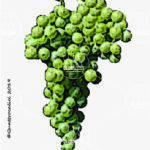
Among the main white grape varieties in Sardinia, we find varieties known for their ability to best express the characteristics of the island’s terroir. Malvasia Bianca and Malvasia di Sardegna are appreciated for their aromatic and structured wines; Nasco, Nuragus, and Semidano offer wines with unique and distinctive notes; Torbato, rare and peculiar, contributes to the production of wines with great personality; Vermentino and Vernaccia di Oristano are among the most famous and appreciated, with Vermentino standing out for its freshness and aromaticity, and Vernaccia di Oristano for its characteristic oxidative profile.
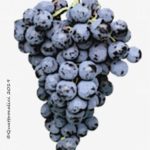
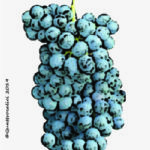
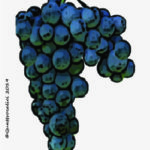
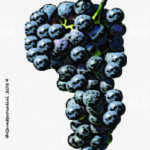
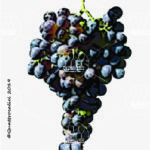
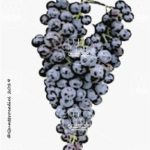
As for the black grape varieties, Sardinia offers a range of varieties that contribute to the production of high-quality red and rosé wines. Cannonau is probably the most well-known among these, a symbol of Sardinian oenology, capable of giving life to robust and profound wines. Carignano del Sulcis, Girò, Monica, and Nieddera are other examples of varieties that produce wines rich in character and typicality. Bovale, Caddiu, and Cagnulari complete the picture by offering a range of wines that reflect the complexity and richness of the island’s viticultural landscape.
In addition to these main varieties, Sardinia holds a treasure of lesser-known native grape varieties, a legacy of the different cultures that have inhabited the island over the centuries. Although less known, these varieties are the source of original and often exclusive wines, further enriching the island’s oenological variety.
Despite the strong identity given by native varieties, the island also opens up to the cultivation of international grape varieties, such as Cabernet Sauvignon, Syrah, Carmenère, and Chardonnay, although they represent a smaller share of the overall vineyard area. These varieties are often used in blends with local varieties, creating wines that combine Sardinian typicality with international notes, testifying to the island’s ability to unite tradition and innovation in the field of viticulture.