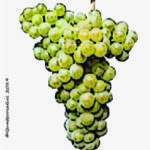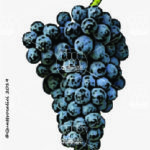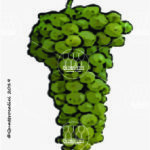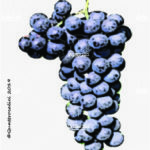

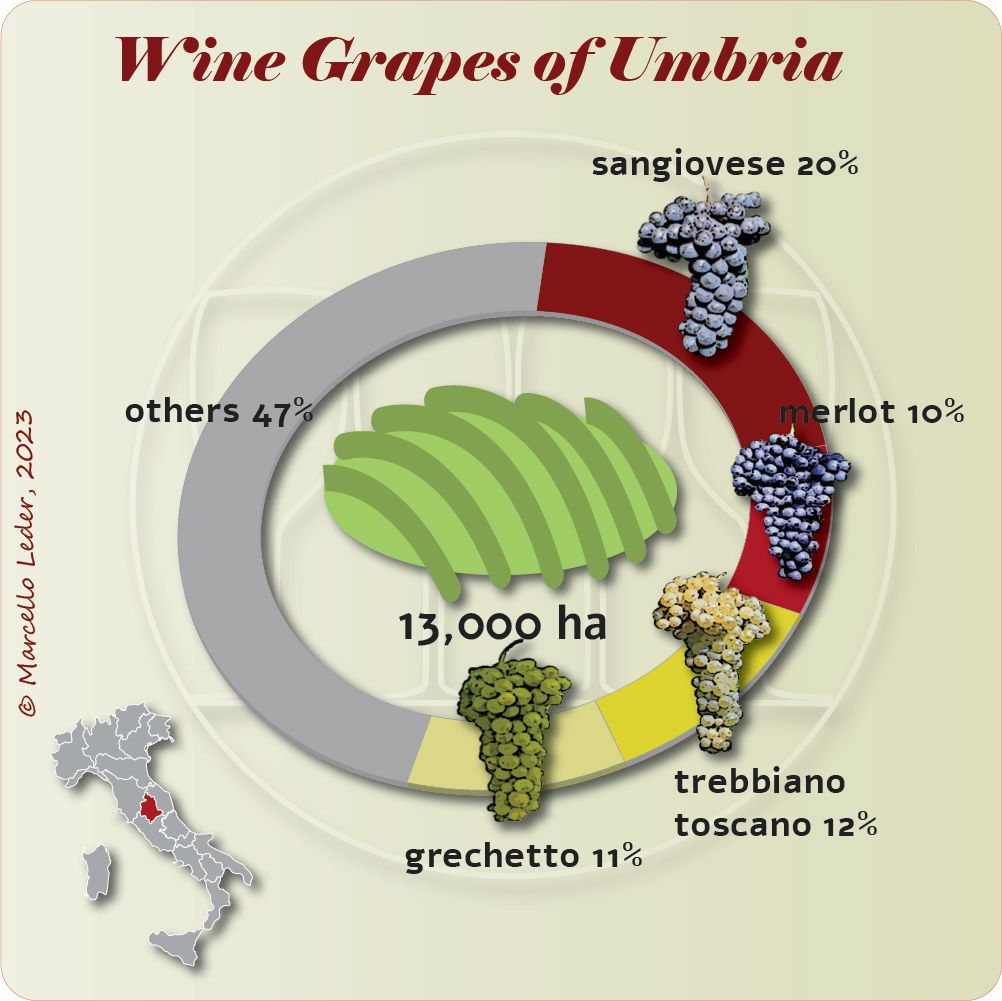
In Umbria, both white and black grape varieties are cultivated. The region has approximately 13,000 hectares of vineyards, of which 53% are planted with black grape varieties, producing about one million hectoliters of wine. Among the white grapes, Grechetto stands out, while Sagrantino, a black grape variety, despite its presence being limited to Montefalco, produces the most representative red wines of all Umbria. Other varieties, both white and black, are those most widespread in central Italy. Grechetto, an indigenous grape variety of Umbria, is the most important among the white varieties. It is widespread throughout the region and is used to produce both varietal whites and blended wines, for example with Chardonnay. Other white grape varieties include Malvasia Bianca, Trebbiano Toscano, Verdello, Canaiolo Bianco, and Procanico. Apart from Sagrantino, other black grape varieties present in Umbria include Sangiovese, Ciliegiolo, Canaiolo Nero, Montepulciano, and Barbera. Gamay was introduced to the Lake Trasimeno area over a century ago. Gamay del Trasimeno is actually a different variety from its French origin and more similar to Cannonau. International grape varieties spread in Umbria in the period immediately following the phylloxera crisis. Chardonnay is often present in blends with Grechetto, but in Umbria, Sauvignon, Pinot Bianco, and Riesling are also cultivated. Among the black grape varieties, the case of Gamay, introduced to the Trasimeno area over a century ago, is interesting. Among the black grape varieties, often vinified in blends with local grapes, are Merlot, Cabernet Sauvignon, Pinot Nero, and Cabernet Franc.