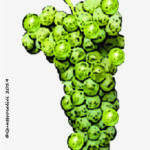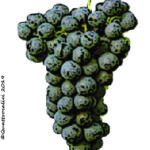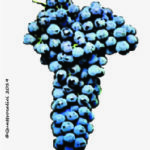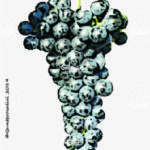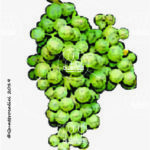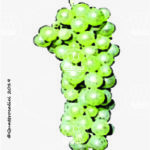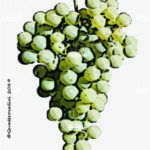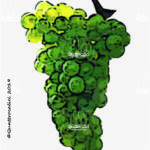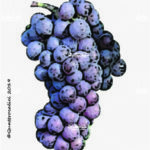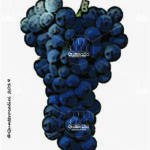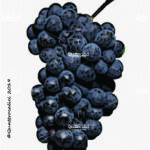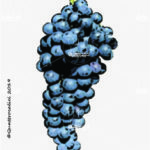


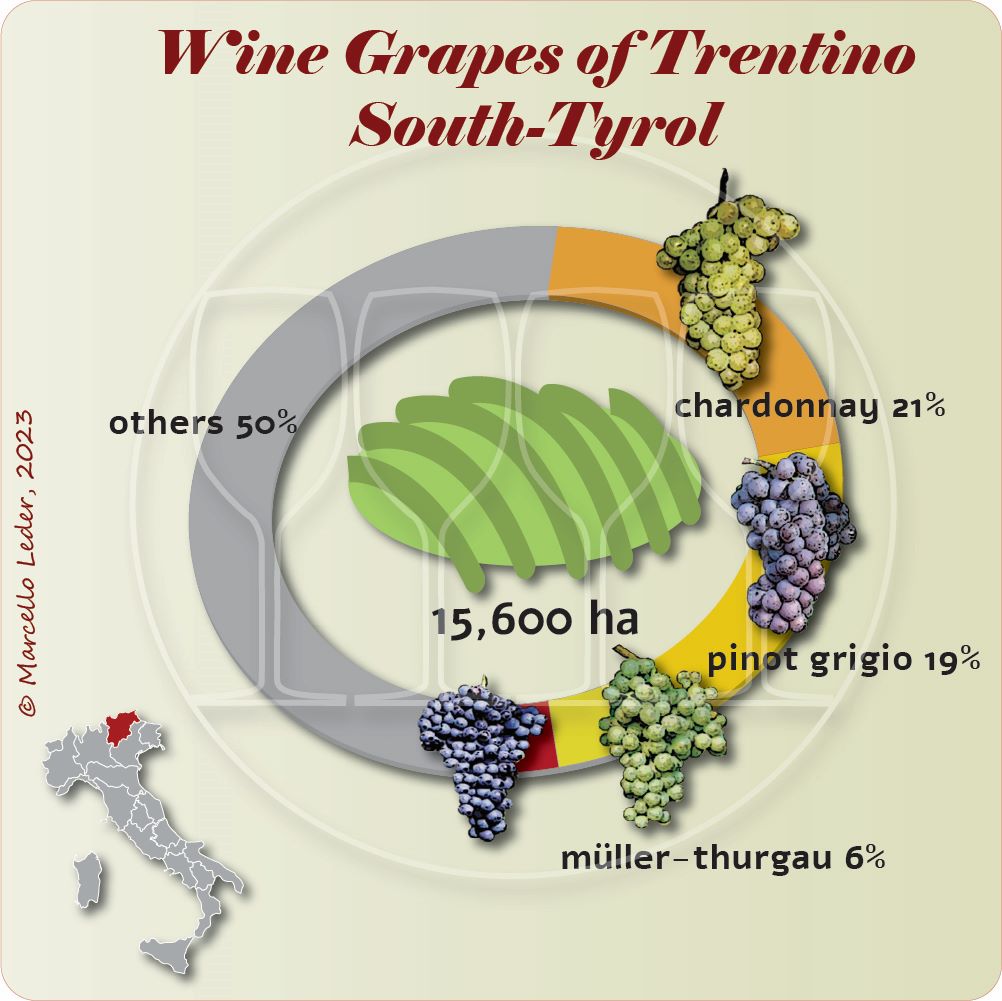
There are numerous grape varieties, both indigenous and international, cultivated in Trentino Alto Adige. A first differentiation can be made on a territorial basis, since each of the provinces (Trento and Bolzano) is characterized by a marked typicity even in the field of viticulture.
The Grape Varieties of Trentino
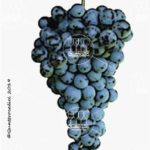
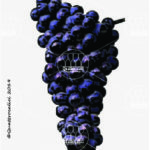
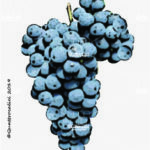
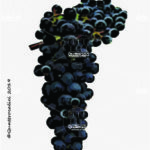
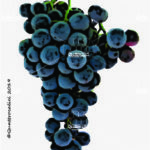
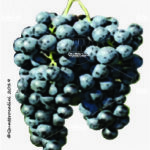
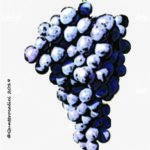
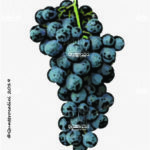
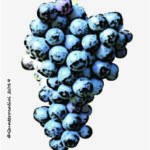
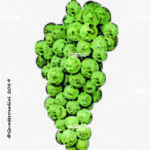
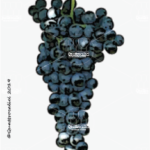
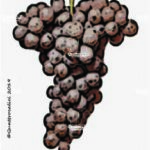
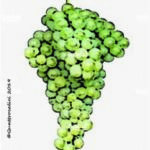
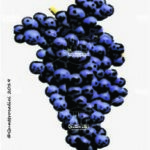
In Trentino, the most cultivated indigenous black grape varieties are Marzemino, in the southern area of Trento and especially in the DOC subzones of Isera and Seresi, Teroldego, in the Rotaliana Plain north of the capital, and Schiava (in its variants Schiava grigia, Schiava grossa, and Schiava gentile) further north, at the provincial borders with Alto Adige, from where it originates. In the area bordering the province of Verona, the indigenous grape variety Enantio (or Lambrusco a foglia frastagliata) deserves a mention. In the Trento area, there are also international grape varieties, some of which have been integrated into the territory for decades, including Pinot Grigio, Pinot Nero, and Cabernet. The most cultivated white grape varieties, Chardonnay and Pinot Bianco, are included, along with Pinot Nero, in the composition of the Trento DOC classic method sparkling wines.
The Grape Varieties of Alto Adige (South Tyrol)
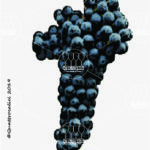
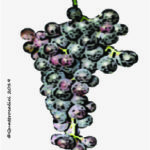
We have already mentioned, among the indigenous black grape varieties of Alto Adige, Schiava and its variants, but it is the Lagrein grape variety that is the most important for today’s wine production in the province. Among the international grape varieties, Pinot Nero stands out, which has found one of its most suitable territories in the Egna-Ora area. Among the white grape varieties in the same area, we find Gewürztraminer, whose name seems to refer precisely to the Termeno (Tramin) area, while north of Bolzano, in the Isarco Valley and the Venosta Valley, Kerner and Sylvaner, originating from north of the Alps, have found an ideal terroir. Also widespread are Moscato Rosa and Moscato Giallo (Rosenmuskateller and Goldmuskateller). The former is the protagonist of passito wines of considerable depth, the latter is very pleasant even in its dry version. The Terlano area is characterized by porphyry formations that give the wines, especially whites, a pleasant minerality as well as characteristics of remarkable longevity.