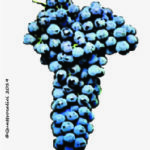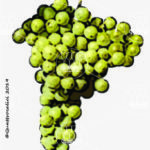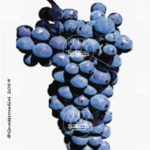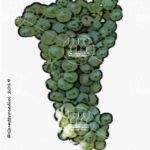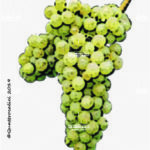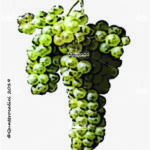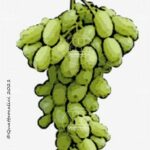


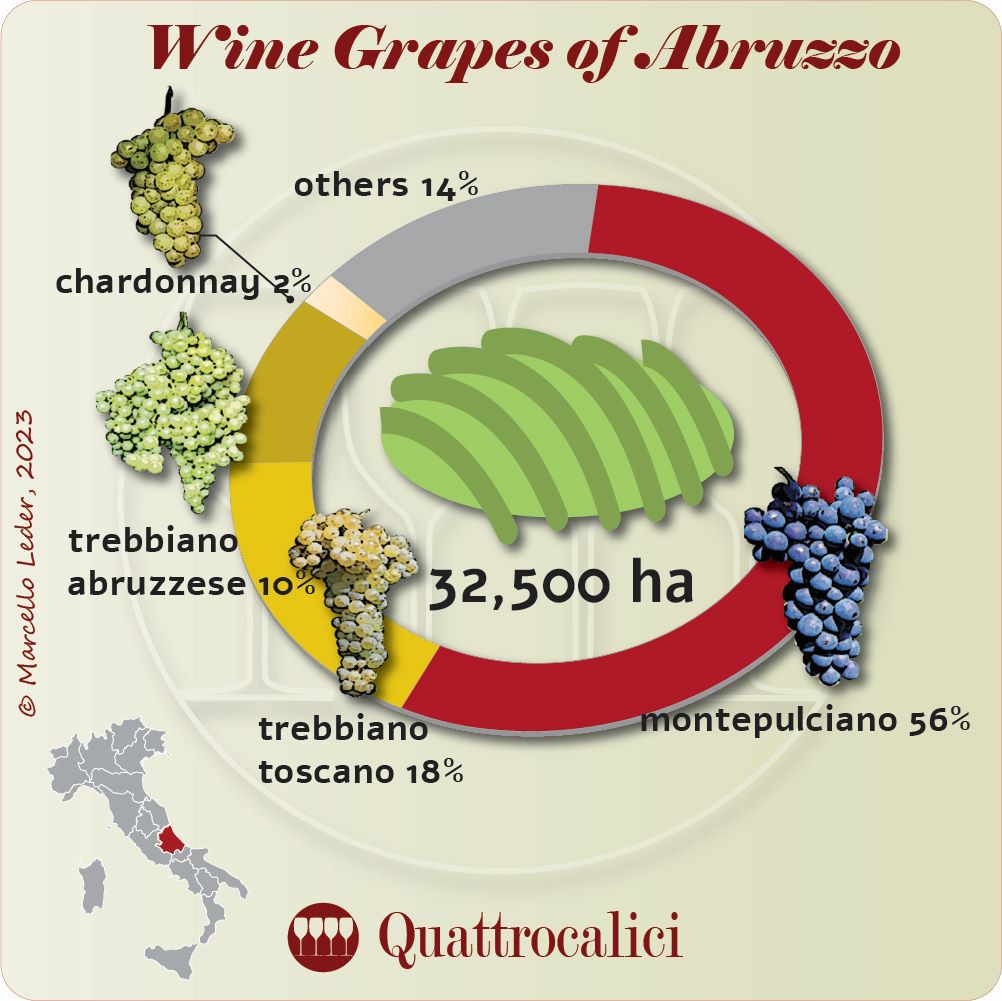
The wine grapes of Abruzzo, both black and white berried, are predominantly indigenous. The most famous is Montepulciano, widespread across the entire regional territory and neighboring regions, which, along with Trebbiano, accounts for about 85% of the region’s vineyard area. Montepulciano can be considered indigenous to Abruzzo, although it is widely cultivated throughout central Italy and is the basis for wines such as Rosso Piceno and Rosso Conero in the Marche region, as well as Rosso Biferno in Molise. Montepulciano is characterized by a certain rusticity, resistance to parasites (despite some susceptibility to powdery mildew). The medium hills of Abruzzo undoubtedly enhance its characteristics, especially in terms of the content of polyphenolic substances, particularly anthocyanins and tannins, responsible for the red color. Montonico is also a native variety, grown on the slopes of Gran Sasso, where the day-night temperature range is significant, especially in summer. This grape produces a wine with unique characteristics, both in still and sparkling styles, the latter produced with the traditional method. Passerina, initially cultivated in the Teramo area, in and around the municipalities of Controguerra and extending beyond Giulianova, is now present throughout the region. Trebbiano d’Abruzzo is known for its high acidity and is often used in blends to add freshness. Cococciola is a white grape variety with large berries from the province of Chieti, particularly cultivated in the municipalities of Vacri and Villamagna. Pecorino is typical of the Piceno-Aprutina ridge, although its origin seems to be the mountainous municipalities such as Visso, Arquata del Tronto, and nearby areas. Sangiovese is also a staple in Abruzzo, as in all central Italian regions.
In a context so focused on a few varieties representing more than 80% of the regional production, there is little room for international grape varieties. Chardonnay, with about 800 hectares, is the most widespread, followed by Merlot, with about 500 hectares. Cabernet Sauvignon totals just over 200 hectares. All these varieties are generally used in blends with the most important local grapes or as complementary varieties, rarely on their own. Chardonnay and Pinot Noir (only 20 hectares in the region) are used as sparkling wine bases, for both traditional and Charmat methods.