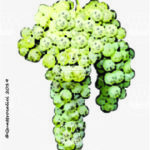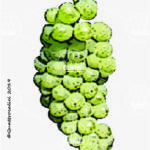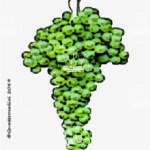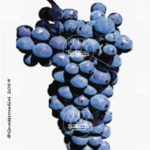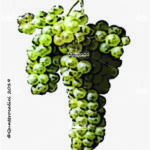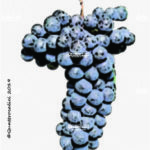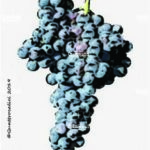


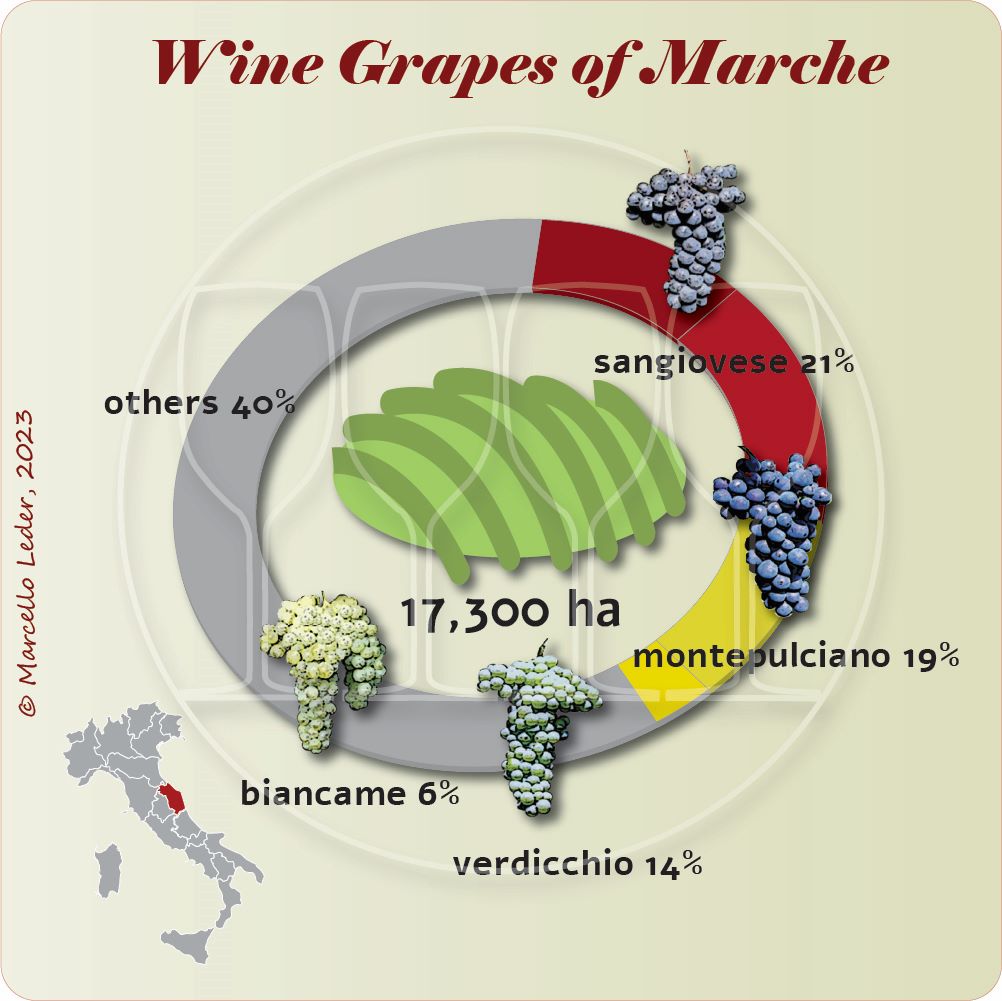
In the Marche region, 60% of the cultivated wine grapes are white berried, with Verdicchio standing out as one of the most interesting indigenous white grape varieties in Italy, capable of producing complex and well-structured wines. Among the black grape varieties, the most important are Montepulciano and Sangiovese. Other indigenous varieties of the Marche include Lacrima, a black grape characterized by a unique aromatic component, and Vernaccia Nera.
The Marche region has 17,300 hectares of vineyards, producing about 1 million hectoliters of wine, with 45% being white, and the remainder red and rosé. The vineyards are predominantly located on hillsides (85%), with 5% in the mountains and 10% on the plains. The wines are DOP (Protected Designation of Origin) for 39% and IGP (Protected Geographical Indication) for 24%.
International grape varieties in the Marche are used complementarily to the indigenous and local varieties, as allowed by the production regulations, to enhance the organoleptic profile of the wines. They are less commonly vinified as varietal wines. Merlot is the most widespread, but it occupies just over 1% of the region’s vineyard area, followed by Cabernet Sauvignon, with roughly the same percentage. Chardonnay, with only 48 hectares, even totals less than Veltliner, which has 63 hectares. Pinot Noir has only slightly more than 20 hectares of vineyards in the region.