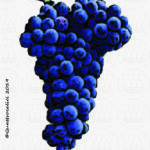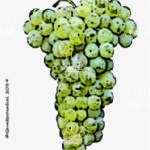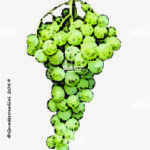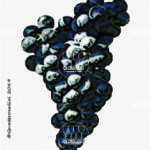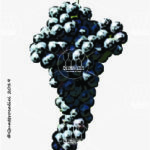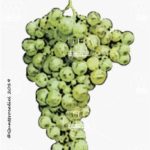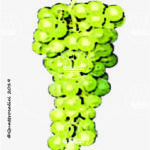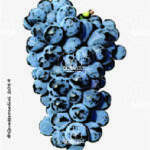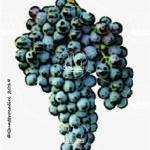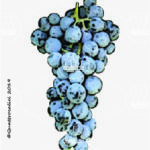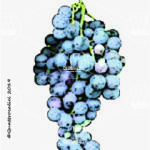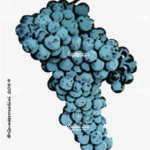


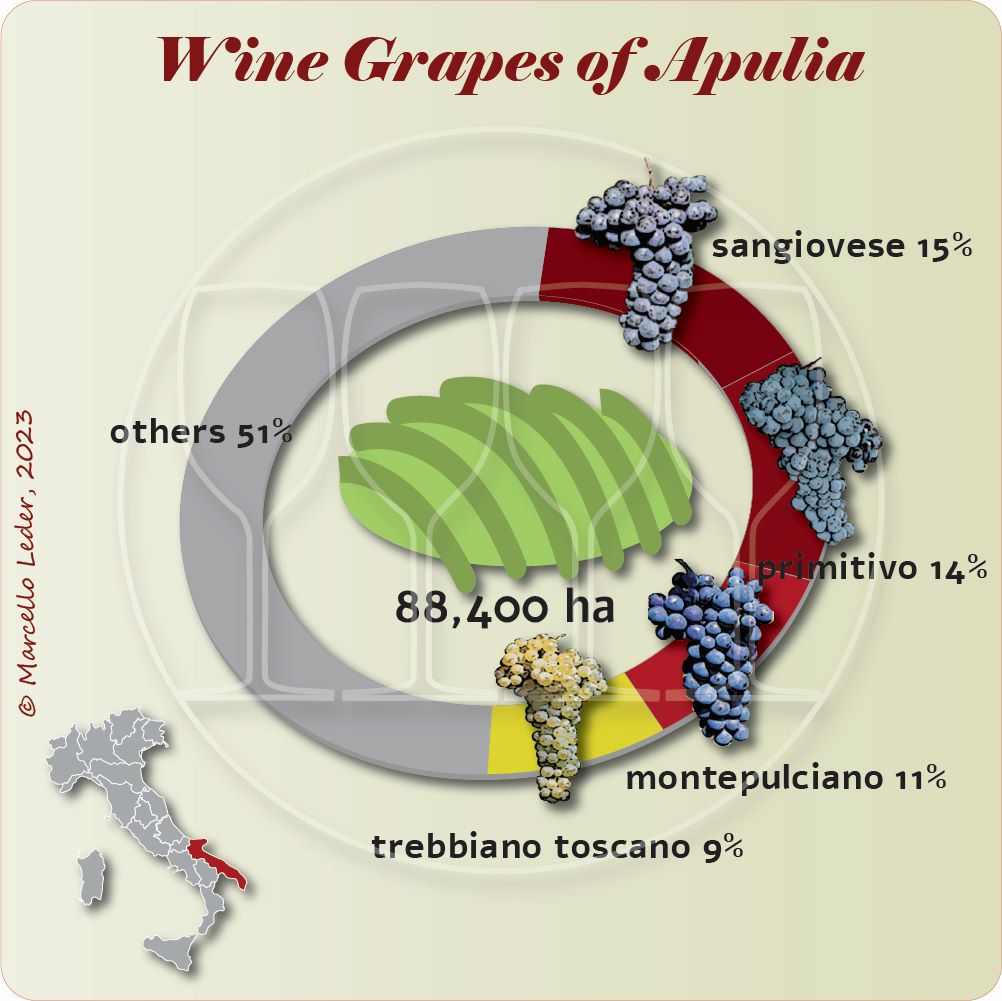
In Puglia, viticulture is predominantly focused on black grape varieties. Its vineyard area of about 87,000 hectares consists of 30% in hilly regions and 70% in plains. Among the most cultivated varieties, Negro Amaro and Primitivo are followed by Sangiovese, which is almost never vinified as a single variety, much like Montepulciano, the fourth on the list. White grape varieties account for 35%, with Trebbiani, both Toscano and Giallo, leading the way, significantly surpassing the first indigenous variety, Verdeca. The list continues with Uva di Troia, Trebbiano Abruzzese, Malvasia Bianca, and even Lambrusco a foglia frastagliata. There are also many other lesser-known indigenous varieties that play a complementary role in the blends of Puglia’s regional wines, such as Bianco d’Alessano, Pampanuto, Minutolo, Notardomenico, and Susumaniello.
Among international grape varieties, Chardonnay and Merlot each cover about 1,000 hectares. Cabernet Sauvignon covers around 500 hectares, and Cabernet Franc less than half of that. International varieties are used as complementary and almost never as single varietals.